


This is how we roast our coffee beans
Roasting coffee is easy, but roasting it exactly the way you want and knowing what is happening in each step requires a great deal of experience. The foundation for this is a methodical approach. Coffee roasting is a very complex chemical reaction in which the slightest deviations in the roast profile give the taste—aromas, acidity, sweetness, mouthfeel—a completely different character. In addition, beyond optimally bringing out the inherent properties, one can also consciously emphasize them in different ways. Furthermore, every green coffee naturally behaves somewhat differently during roasting due to variations in variety, climatic conditions at the farm, processing methods, etc. The interplay of all these factors ultimately results in a very high-quality roast that can be reproduced at any time.


Quality management
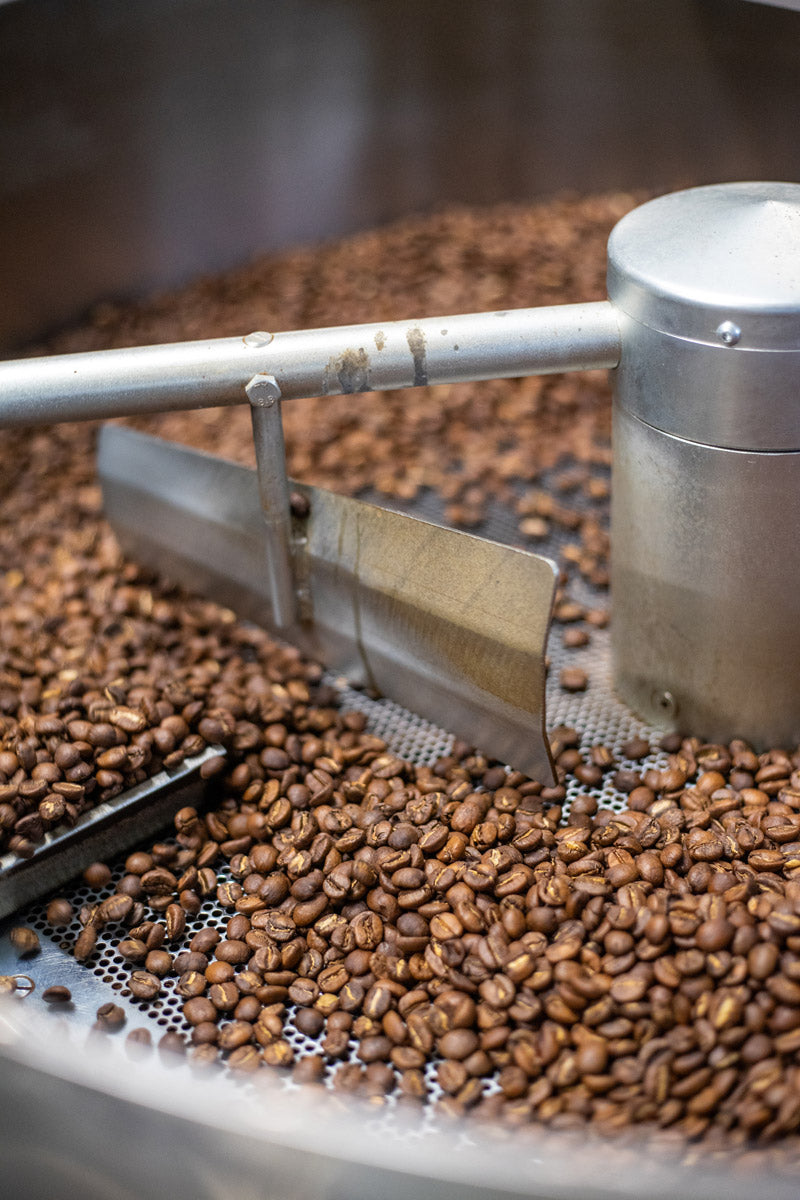
Since August 2025, we have been roasting on a Loring S35 Kestrel drum roaster. Our roasting machine is gas-heated. We filter our exhaust air using an antistatic filter, which provides additional exhaust air purification. We roast all coffees separately and check every batch for defective beans, color deviations, and roast homogeneity. All profile processes are logged and recorded.
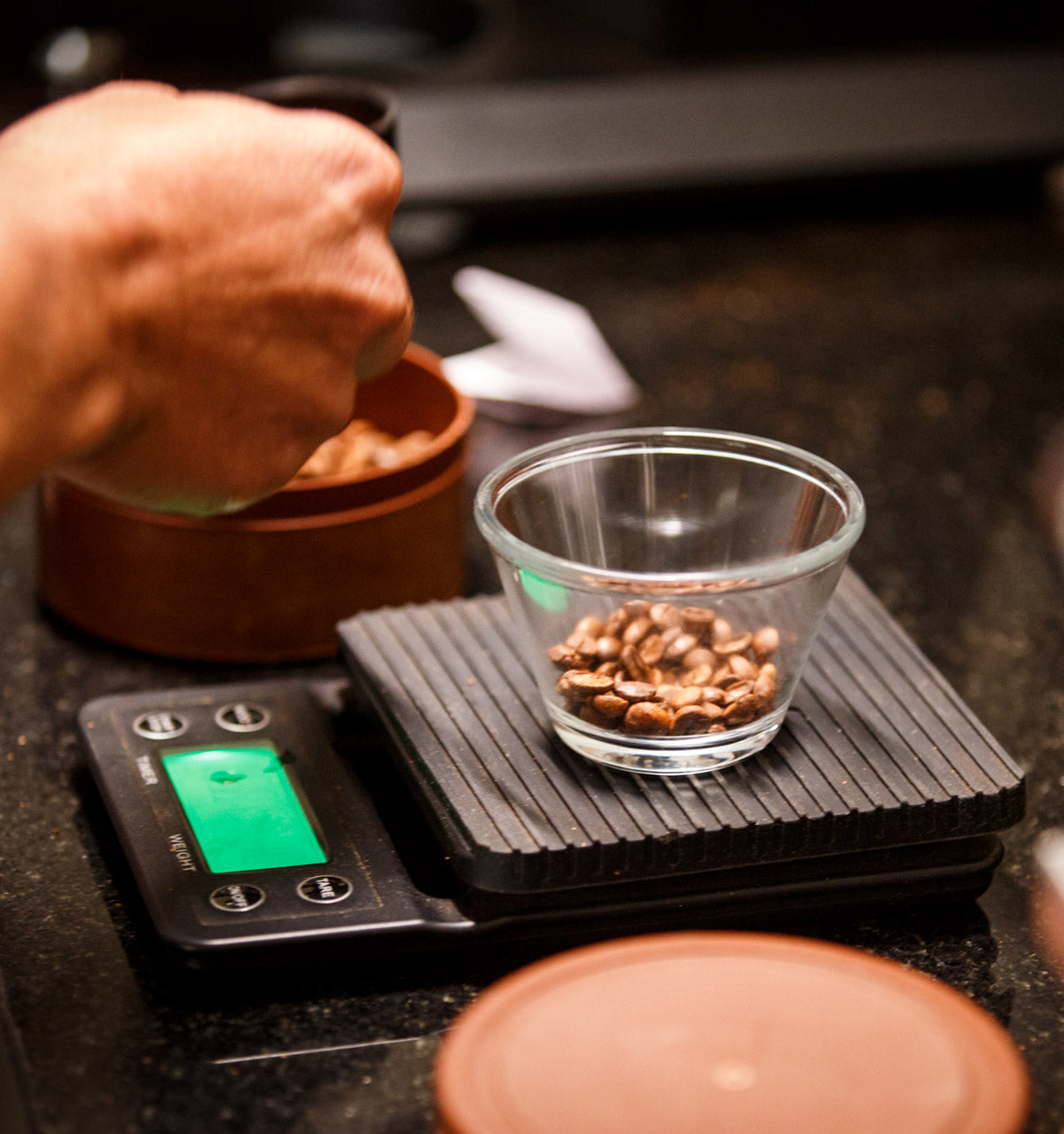
In addition, we cup (taste) every batch to be absolutely sure that the roast truly meets our expectations. Since a large amount of CO2 is released from the coffee bean in the first few hours after roasting, it displaces oxygen from the bag (valve), thereby ensuring good preservation of the aromas. This is why we package our coffees immediately after cooling. We recommend that you consume the coffee between the 7th and 40th day after roasting.